You show up at pickup genuinely happy to see them, and within ten minutes they have melted into a puddle on the sidewalk over the wrong color cup. If that's your evening, you are not doing anything wrong. The after-daycare unravel is one of the most common things toddlers do, and it usually means something simple: they held it together all day, and now that their safe person is back, it's finally safe to fall apart.
Reconnect before you redirect
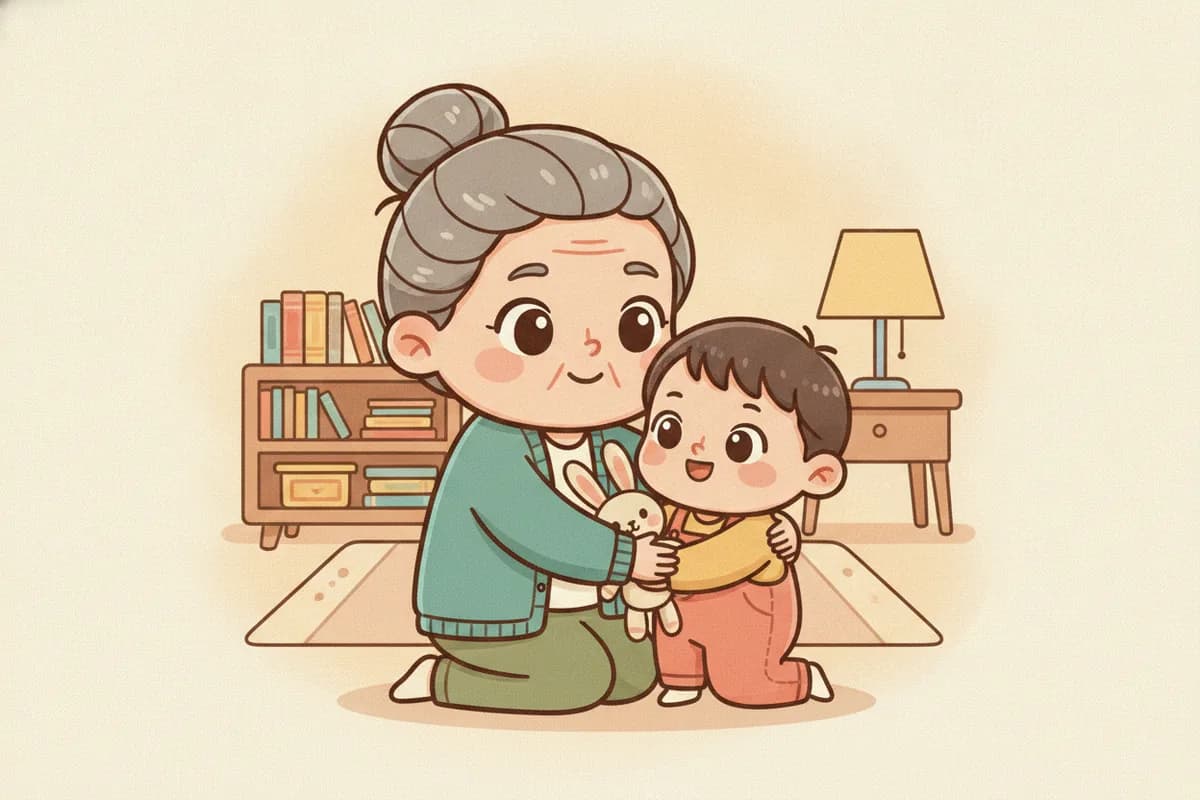
A toddler who has been away from you all day often needs to feel close again before they can cooperate with anything — shoes, the car seat, dinner. So for the first few minutes, drop the agenda. Get down to their height, offer a hug, and let them lead. The behavior you want usually shows up on the other side of that reconnection, not before it.
Skip the interview
“What did you do today?” almost always gets you a shrug or a flat “nothing.” A tired two- or three-year-old can't summarize their day on command. You'll get more by just being near them and letting it come out sideways later — at bath, at dinner, in the car. If you want connection right now, presence beats questions.
Ten minutes on their terms
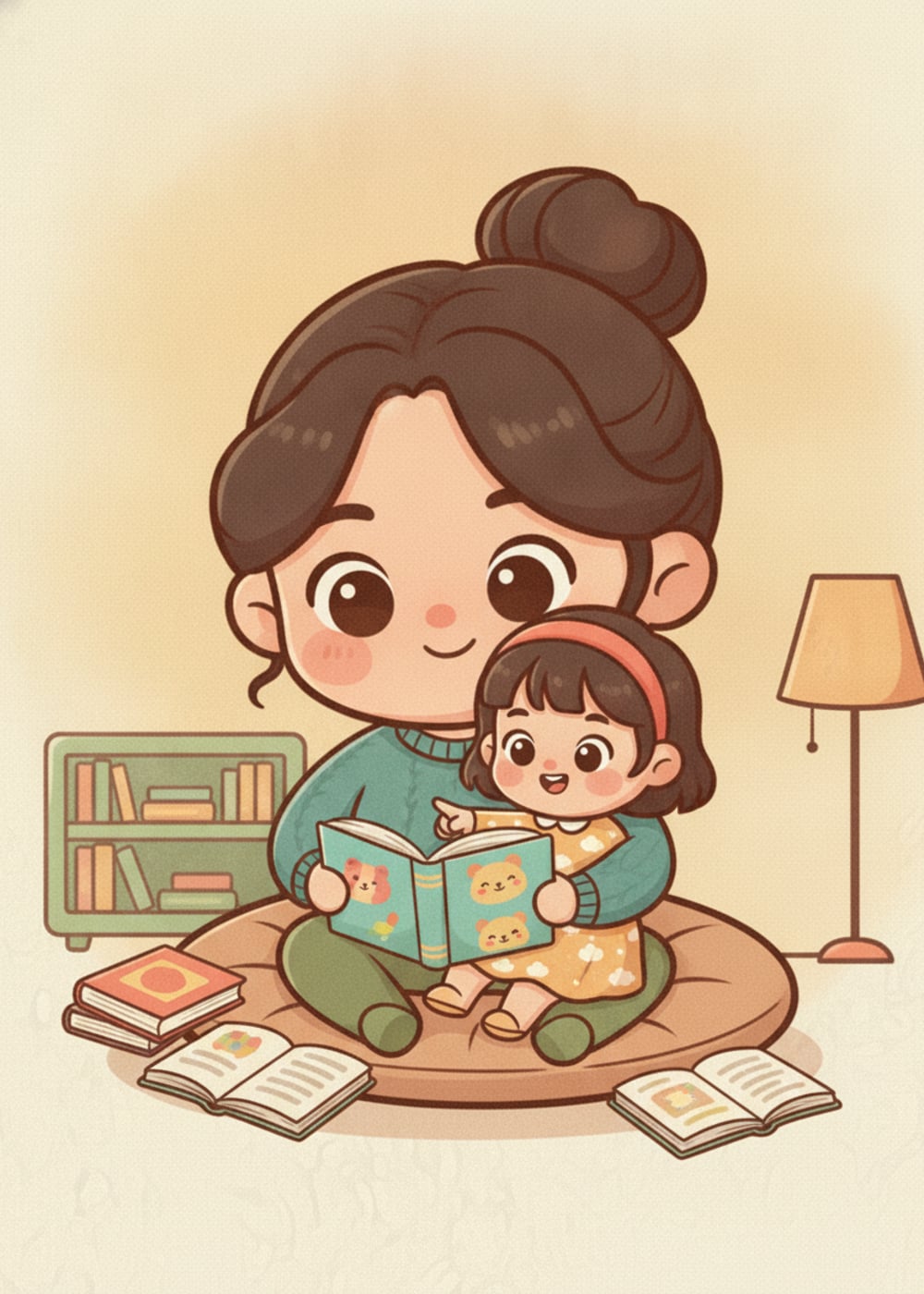
Give them a short stretch of your full attention doing something they choose. It doesn't have to be much: a round of peekaboo with a baby, or pulling out a couple of favorite books and reading them the way they like, same silly voices and all. Ten unhurried minutes at pickup often does more for the evening than an hour of coaxing later.
A shared snack resets everyone
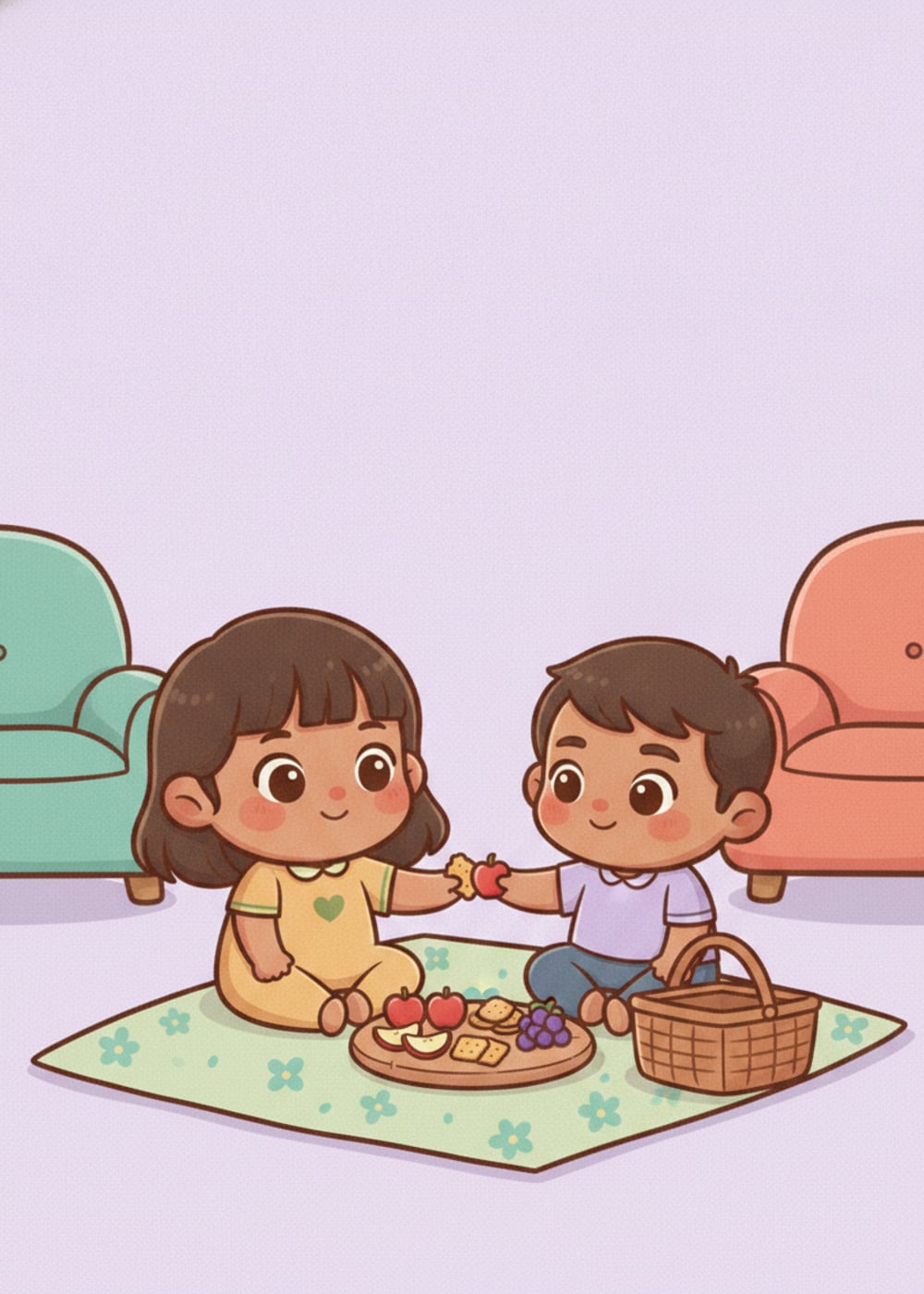
Hunger and low blood sugar are quietly behind a lot of pickup meltdowns — theirs and, honestly, yours. Sitting down together for a small snackbefore you tackle the evening takes the edge off and gives you both a calm minute in the same spot. Keep it easy and low-key; this isn't the moment for a new food battle.
Keep the evening small
After a full day of holding it together, most toddlers have very little left for demands. Pick one calm thing, wind down early, and let a bedtime storyclose the day gently. The evening after daycare is not the time to introduce new expectations — it's the time to land softly and start again tomorrow.
Big feelings after a day apart are normal, and they ease as your child gets older and more able to talk about their day. If something feels off — if your child seems genuinely unhappy at care, not just tired — trust that instinct and raise it with their provider or your pediatrician. Otherwise, remember that the reunion itself is the point, not the checklist. For more small, calming ideas, browse the card library.